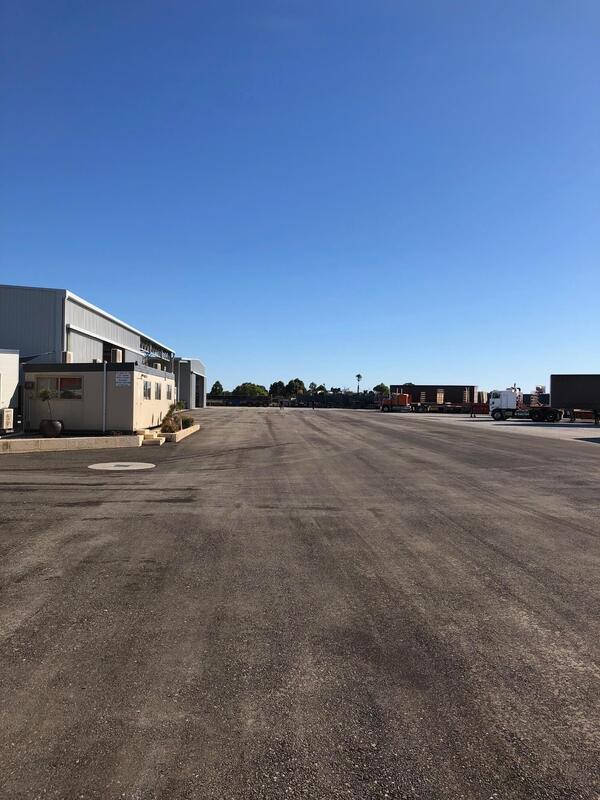
Choosing the right surface for a driveway, access road or commercial trafficable area is an important decision. The pavement needs to provide reliable vehicle access, withstand regular use and remain practical under changing weather conditions. For properties with existing unsealed surfaces or ageing pavement, spray & seal bitumen can offer an effective surfacing solution.
Spray & seal surfacing is widely used for suitable roads, driveways and access areas because it creates a protective wearing surface using bituminous binder and aggregate. When applied over a properly prepared and compacted foundation, it can improve surface consistency, reduce loose material and help protect the pavement from moisture infiltration.
For property owners and businesses in Hornsby, NSW, spray & seal surfacing is worth considering where a practical, durable and well-prepared trafficable surface is required.
At Hornsby Road Tek, we provide professional bitumen surfacing solutions focused on appropriate pavement preparation, effective drainage and reliable surface performance.
What Is Spray & Seal Bitumen Surfacing?
Spray & seal is a pavement surfacing method that involves applying a bituminous binder to a prepared surface, followed by a layer of aggregate.
The aggregate is then rolled into the binder to create a bonded wearing surface.
Depending on the pavement requirements, the treatment may involve a single application or multiple applications of binder and aggregate.
Unlike asphalt, which is produced as a mixture of aggregate and bituminous binder before being laid and compacted, spray & seal is constructed by applying these materials in separate stages directly onto the prepared pavement.
The finished treatment helps protect the supporting pavement while providing a trafficable surface suited to appropriate vehicle movements.
Its effectiveness depends on the condition of the foundation, material selection, application quality and expected traffic demands.
1. Spray & Seal Creates a More Consistent Surface Than Loose Gravel
One of the main reasons property owners consider spray & seal surfacing is the improvement it can provide over an unsealed driveway or access road.
Loose gravel surfaces can gradually become uneven as vehicle movements displace material along frequently travelled wheel paths.
Aggregate may accumulate at the edges while the central trafficable area develops ruts and depressions.
Professional spray & seal surfacing bonds aggregate to the prepared pavement using a bituminous binder.
This creates a more consistent wearing surface and reduces the movement of loose material during normal use.
For properties with regularly used entrances or access roads, this can make vehicle movements more predictable and reduce recurring surface irregularities.
However, the existing pavement must be properly graded and compacted before sealing to achieve a suitable result.
2. It Helps Protect the Pavement From Water Infiltration
Water is one of the most significant contributors to pavement deterioration.
When rainfall enters an unsealed or damaged surface, it can weaken the supporting materials and reduce their ability to distribute vehicle loads.
As vehicles continue travelling over the affected area, wheel ruts, depressions and potholes may develop.
Spray & seal provides a bituminous wearing treatment that helps limit direct water penetration through the intact surface.
This can help protect the underlying pavement from unnecessary moisture exposure.
For properties in Hornsby, NSW, effective water management is an important consideration when selecting and maintaining a road or driveway surface.
However, spray & seal should not be relied upon to correct existing drainage problems.
The pavement must have appropriate falls, and any significant water pooling or unstable sections should be addressed before the treatment is applied.
3. Spray & Seal Can Reduce Dust From Unsealed Areas
Dust can become a persistent issue on unsealed driveways, access roads and commercial trafficable areas.
During dry conditions, passing vehicles can disturb fine surface particles and create airborne dust.
This may affect the cleanliness of parked vehicles, nearby buildings, equipment and surrounding outdoor areas.
Spray & seal binds the surface aggregate, reducing the amount of loose material exposed to direct vehicle movement.
As a result, it can substantially reduce dust generated from the treated pavement compared with a loose, unsealed surface.
This can be particularly beneficial for properties where vehicles travel along the same access routes throughout the day.
A cleaner trafficable surface can also improve the overall presentation and practicality of the property.
4. It Provides a Practical Surface for Regular Vehicle Access
A driveway or access road needs to accommodate the vehicles that use it.
Repeated traffic can place considerable stress on the pavement, particularly where vehicles brake, turn or follow the same wheel paths.
Spray & seal can provide a practical wearing surface for suitable traffic applications when installed over a stable and appropriately designed pavement.
The supporting layers carry and distribute vehicle loads, while the bitumen and aggregate treatment protects the surface.
This makes pavement preparation especially important.
A spray & seal treatment cannot compensate for a weak road base or unsuitable supporting materials.
Where heavier vehicles or frequent turning movements are expected, the pavement design and choice of wearing surface should be assessed carefully.
For some high-stress applications, asphalt or another pavement treatment may be more appropriate.
5. Spray & Seal Can Reduce Recurring Surface Maintenance
Unsealed roads and driveways may require regular grading to correct potholes, wheel ruts and displaced aggregate.
Although grading is an effective maintenance method for suitable unsealed pavements, repeated traffic and rainfall can gradually recreate the same problems.
A professionally applied spray & seal treatment provides a bound wearing surface that reduces the direct movement of loose pavement material.
This can help maintain a more consistent road profile and reduce the need for repeated reshaping of the trafficable surface.
However, spray & seal is not maintenance-free.
The surface should still be inspected for aggregate loss, cracking, damaged edges and other signs of deterioration.
Addressing defects promptly helps protect the treatment and the pavement underneath.
6. It Can Improve the Appearance of Driveways and Access Roads
The condition of a driveway or access road can influence the overall presentation of a property.
An unsealed surface containing loose gravel, wheel ruts and uneven patches may appear poorly maintained, even when the surrounding property is in good condition.
Spray & seal creates a more uniform and clearly defined trafficable surface.
The finished appearance depends on the selected aggregate and the surfacing specification.
For residential properties, this can provide a more consistent entrance and driveway.
For commercial premises, a properly surfaced access road can contribute to a more organised and practical external area.
Although appearance is an advantage, the main objective should always be to create a surface that performs reliably under its intended traffic conditions.
7. Spray & Seal Can Extend the Useful Life of a Suitable Existing Pavement
One of the most valuable benefits of spray & seal is its ability to protect pavement layers that remain in good condition.
Where an existing road or driveway has a stable, properly compacted foundation, applying an appropriate bitumen seal can help protect the surface from moisture and traffic-related wear.
This may allow the existing pavement structure to remain in service without requiring complete reconstruction.
Spray & seal can also be used as a maintenance treatment for certain existing sealed pavements, provided the surface is suitable and any necessary repairs are completed beforehand.
However, it is important to distinguish surface wear from structural failure.
If the pavement contains deep ruts, significant settlement or widespread base instability, sealing alone will not correct those problems.
Professional assessment helps establish whether the existing pavement is suitable for treatment or requires additional rehabilitation.
Why Is Surface Preparation Essential for Spray & Seal?
The performance of spray & seal depends heavily on the condition of the pavement underneath.
The treatment forms a wearing surface, but it does not provide the structural strength required to compensate for an unstable foundation.
Before application, the existing pavement should be assessed for:
- Weak or soft sections
- Potholes and wheel ruts
- Loose or unsuitable material
- Poor drainage
- Uneven surface levels
- Inadequate compaction
- Existing pavement movement
- Damaged edges
Where necessary, the surface may require grading, repairs, additional pavement material and compaction.
These steps help establish a suitable foundation for the bitumen and aggregate treatment.
Skipping essential preparation can allow existing defects to continue developing beneath the new surface.
How Is Professional Spray & Seal Applied?
The exact application method depends on the pavement condition and selected treatment, but the process generally involves several important stages.
Initial Pavement Assessment
The existing surface is inspected to determine whether it is suitable for spray & seal.
The assessment considers pavement stability, drainage, surface condition and intended traffic use.
Surface Preparation
Damaged or unstable areas are repaired, and the pavement is prepared to the required levels.
For unsealed surfaces, grading and compaction may be necessary to create a stable and consistent foundation.
Bitumen Binder Application
A suitable bituminous binder is sprayed evenly across the prepared surface using specialist equipment.
Correct application is important for achieving consistent aggregate adhesion.
Aggregate Spreading
Selected aggregate is distributed over the binder at the required application rate.
The aggregate size and treatment specification depend on the pavement requirements.
Rolling and Finishing
The aggregate is rolled into the binder to establish the required bond.
Excess loose aggregate is managed as part of the finishing process, and the surface is opened to traffic in accordance with the treatment requirements.
Professional application helps ensure that each stage is completed under suitable conditions.
Is Spray & Seal Suitable for Every Driveway or Road?
Spray & seal is a practical surfacing option for many applications, but it is not necessarily the most appropriate choice for every property.
Its suitability depends on factors such as:
- The condition of the existing pavement
- Expected vehicle weight
- Frequency of traffic
- Turning and braking movements
- Surface drainage
- Required wearing surface characteristics
- The intended use of the area
For example, a straightforward access road may have different requirements from a commercial yard where heavy vehicles frequently turn or remain stationary.
In areas exposed to concentrated traffic stresses, asphalt may provide a more suitable wearing surface.
A professional assessment helps determine which treatment is appropriate rather than selecting a surface based solely on appearance.
Can an Existing Gravel Driveway Be Converted to Spray & Seal?
Yes, an existing gravel driveway may be suitable for spray & seal if the supporting pavement can be prepared to the required standard.
However, the gravel surface must be assessed before sealing.
If the driveway contains loose material, deep ruts, soft sections or inadequate drainage, these problems should be corrected first.
The pavement may require reshaping, additional suitable material and compaction to establish a stable foundation.
Once the supporting layers are suitable, spray & seal can be applied as the wearing treatment.
The objective is to create a properly constructed sealed pavement rather than simply applying bitumen over loose gravel.
What Is the Difference Between Spray & Seal and Asphalt?
Although both treatments use bituminous materials, spray & seal and asphalt are constructed differently.
Spray & seal involves applying binder and aggregate in separate stages directly onto a prepared pavement.
Asphalt is a manufactured mixture of aggregate and bituminous binder that is laid and compacted to form a continuous wearing layer.
Both can provide reliable trafficable surfaces when correctly designed and installed.
The most appropriate choice depends on the intended use, traffic loading, pavement condition and required surface characteristics.
For property owners considering an upgrade, professional advice can help establish which option is better suited to the existing site.
Why Professional Spray & Seal Installation Matters
A successful spray & seal treatment depends on more than applying bitumen and spreading aggregate.
The existing pavement must be stable, drainage should be appropriate and the selected materials need to suit the intended application.
Correct binder application, aggregate distribution and rolling are also important for achieving a consistent finish.
At Hornsby Road Tek, we provide professional spray & seal bitumen surfacing solutions for driveways, access roads and other suitable trafficable areas in Hornsby, NSW.
Our approach focuses on assessing the existing pavement, identifying necessary preparation and recommending a treatment suited to the property’s requirements.
By addressing underlying surface problems before sealing, professional installation can help improve pavement performance and reduce avoidable deterioration.
Conclusion
Spray & seal surfacing offers several practical benefits for property owners and businesses, including improved surface consistency, reduced dust, better protection against water infiltration and less movement of loose aggregate.
It can also improve the appearance of driveways and access roads, reduce recurring maintenance requirements and help preserve existing pavement layers that remain structurally suitable.
However, the effectiveness of spray & seal depends on proper preparation, compaction, drainage and the selection of a treatment appropriate for the expected traffic.
For property owners and businesses in Hornsby, NSW, professional spray & seal surfacing can provide a practical solution for improving suitable unsealed or ageing pavement surfaces.
If your driveway, access road or trafficable area requires attention, contact Hornsby Road Tek to discuss professional spray & seal bitumen surfacing.
Our team can assess the existing conditions and recommend an appropriate solution focused on improving surface reliability, maintaining practical vehicle access and supporting long-term pavement performance.
Call us on: 02 5135 3012
Click here to find out more about Hornsby Road Tek
Click here to complete our contact form and see how we can help with your Asphalt and Bitumen Surfacing needs.